
For Irregular Earners
Farmers market income doesn't come in equal weekly amounts. It's seasonal, weather-dependent, and affected by factors outside your control. Here's how to work with that reality rather than against it.
The Variability Is the Point
What makes farmers market income fundamentally different from a wage? It's not just the amount — it's the pattern. A good Saturday in July can be followed by a slow one in August when the heat keeps shoppers home. A rain event cancels a market entirely. A bumper crop of one thing coincides with a market that doesn't move that product well. The income stream is genuinely irregular, and planning for it requires a different framework than planning around a steady paycheck.
This page focuses on the operational and financial tracking tools that help vendors understand their income pattern, plan around it, and make decisions that reflect the actual shape of their earnings rather than an idealized version of it.

Understanding Your Income Shape
What does a market season actually look like financially? Knowing the shape of your income across a season is more useful than knowing any single week's number.
Spring markets often have high foot traffic from customers eager for fresh local produce after winter. But early-season variety is limited, and competition among vendors for the same early crops can be significant. Revenue may be strong per transaction but lower in total volume because you have less to bring.
This is also the season with the highest upfront costs — seeds, soil prep, transplants, and any equipment or permit renewals. Cash flow tends to be tightest here.
Summer peak markets typically offer the widest variety and the highest volume. Foot traffic is strong, repeat customers are established, and the display can be at its fullest. This is when the operational systems you've built — pricing, display, payment handling — are under the most stress and need to work without thinking.
Peak season is also when the tracking data starts to become meaningful. You have enough weeks of data to see which markets are consistently outperforming and which are not.
Fall markets can be strong for root vegetables, storage crops, and value-added products as customers shift toward cooking and preserving. But foot traffic at outdoor markets tends to drop as weather cools. Decisions about which markets to continue through October and November require the tracking data from earlier in the season.
This is also when end-of-season inventory decisions — what to sell down, what to hold for storage, what to process into value-added products — have direct revenue implications.
What Actually Works Without Signal
How do you accept card payments when the cell coverage is unreliable? The answer is more nuanced than most vendors expect, and the details matter when you're mid-transaction.
Square Offline Mode
Square's offline mode stores card data locally when connectivity is lost and processes transactions when it reconnects. There are per-transaction and daily aggregate limits on offline transactions. The reader must have been connected to the internet at some point to have the offline mode enabled. Transactions processed offline carry a slightly higher risk of decline when they batch — the card data was valid when swiped but may not authorize when processed later.
Stripe Terminal Offline
Stripe Terminal readers also support offline card acceptance with similar mechanics. The key difference is how Stripe handles the reconnection and batch processing window. Stripe's offline mode has specific requirements for the terminal firmware version and account configuration. Not all Stripe accounts have offline mode enabled by default — it requires deliberate setup before you need it.
Dual-Carrier Hotspot
Some vendors run their card reader through a personal hotspot on a second phone using a different carrier than their primary device. If one carrier has no signal at a particular market location, the other may. This is not a guaranteed solution — both carriers may have poor coverage at the same location — but it covers many common scenarios where one carrier simply doesn't serve that area well.
Cash as a Parallel System
Maintaining a clear, visible cash option with a posted price list removes the dependency on connectivity entirely for a portion of transactions. A cash drawer with organized denominations and a simple change-making system reduces errors during busy periods. Some vendors keep a physical price list laminated to the table so customers can self-calculate before reaching the front of any line.
A Simple Tracking Sheet That Works
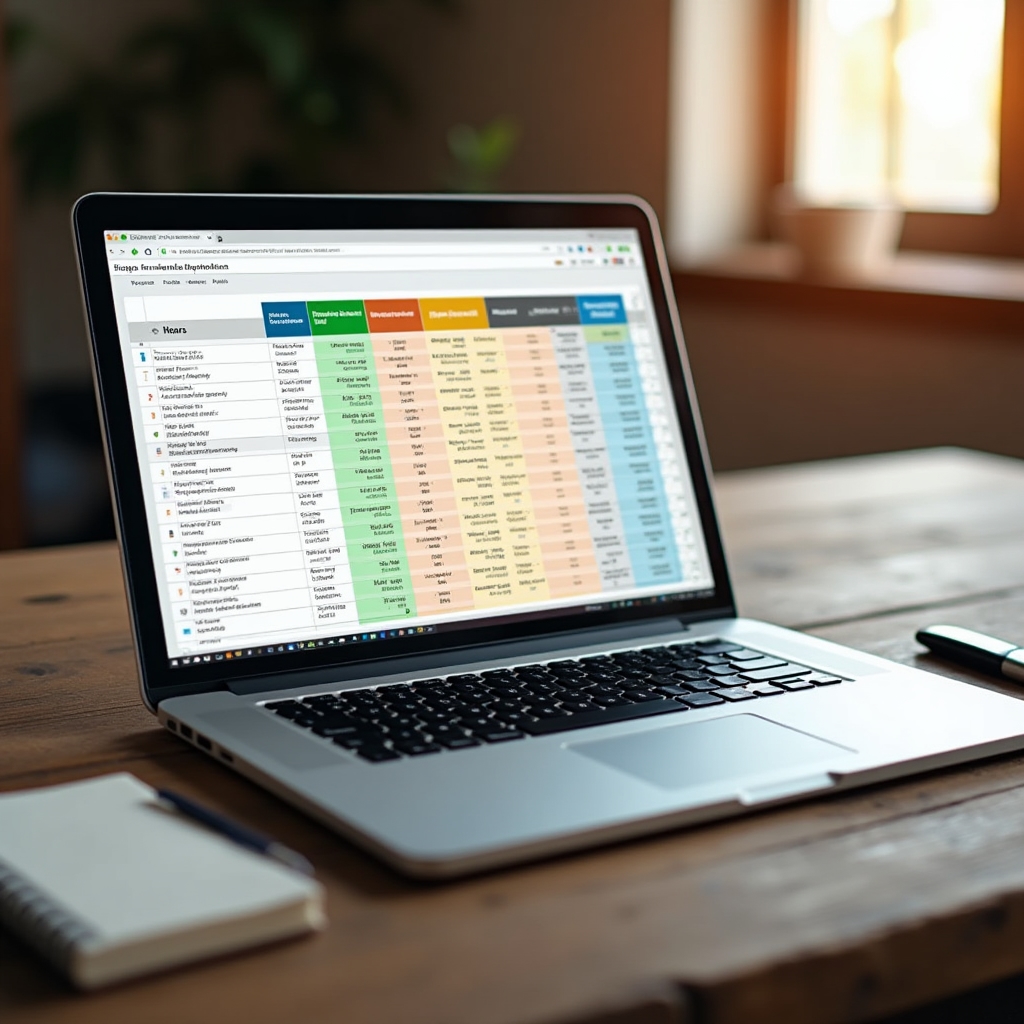
What does a useful market tracking system actually look like? Not complicated. A single row per market day with columns for: date, market name, gross revenue, stall fee, fuel cost, total hours committed, and a notes field. From those columns you can calculate net revenue and revenue per hour. Over a season, patterns become visible that gut feel alone would miss.
The notes field matters more than it seems. Weather conditions, special events nearby, what you brought and what sold versus what came home — these contextual notes explain the outliers in your data and help you make better decisions about what to bring to which market in future seasons.
Tracking doesn't need to be digital. A paper ledger works. A spreadsheet is more flexible. The tool matters less than the habit of filling it in before you leave the market, while the numbers are still fresh.
Working With Irregular Income
Smooth the Peaks
When peak-season markets are strong, the natural tendency is to spend at the rate of income. A more useful approach is to treat peak-season revenue as partially covering the slow weeks ahead. The specific allocation depends on your situation, but the principle is that irregular income requires deliberate smoothing rather than spending in proportion to what came in this week.
Weather Is a Cost
A market canceled by weather is a fixed cost day with zero revenue. Stall fees may or may not be refunded depending on the market's policy. Fuel is a sunk cost if you drove to a market that was canceled on arrival. Building weather variability into your annual planning means not projecting a full season of markets — some will not happen.
Inventory as Buffer
For products that store well — root vegetables, winter squash, garlic, dried goods, jarred preserves — inventory held from a peak production period can extend your selling season and smooth revenue. This requires thinking about storage capacity and product shelf life as part of your market planning, not just production planning.
Multiple Markets Reduce Risk
Attending two markets on different days of the week reduces the impact of any single market being slow, canceled, or underperforming. It also gives you comparison data to work with. The tradeoff is time and operational complexity. Whether multiple markets make sense depends on your production capacity and how the per-hour numbers compare across your market options.