Home Who Benefits Before & After Earners Contact
Operational Knowledge for Small Growers

What They Don't Tell You
About Running a Market Booth

Permits. Pricing. Displays. Payments. Tracking what's worth your Saturday. Real operational experience from the field, not from a management company.

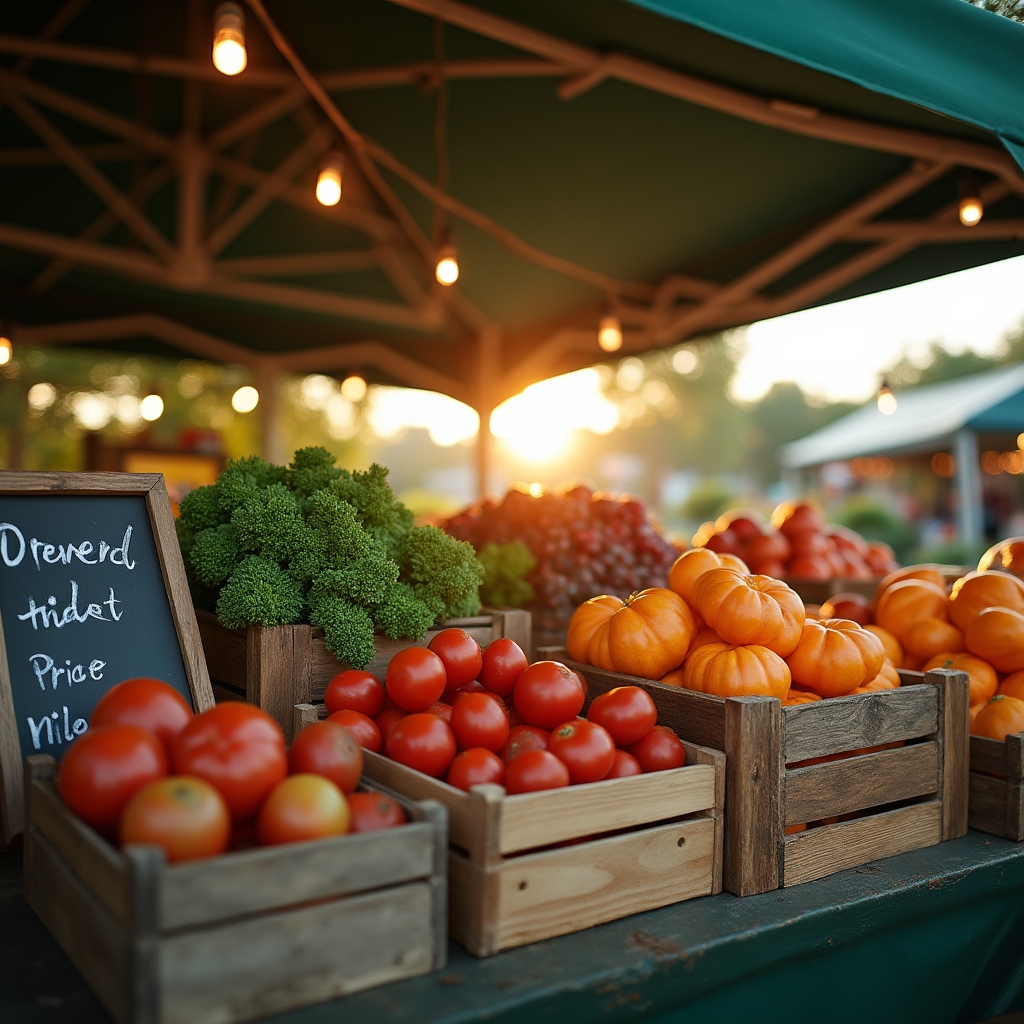
A well-organized farmers market booth with produce displayed at varied heights under a canopy
Core Topics

What This Blog Covers

What does running a booth actually require, operationally? It requires knowing things nobody writes down in a single place. That's what this is.

Permits by State

Which licenses apply to your situation? Cottage food laws, temporary food establishment permits, and handler certifications vary considerably by state. We work through publicly available health department guidelines so you know where to look.

Read more

Pricing That Holds Up

How do you price produce without losing money after gas, stall fees, and packaging? The math is straightforward once you build the right spreadsheet. We walk through a cost-first approach that accounts for what most growers forget to include.

Read more

Displays That Sell

Can a booth layout do the selling for you? With the right height variation, signage, and product grouping, customers make decisions before you say a word. This is merchandising applied to a 10x10 tent.

Read more

Payments Without Signal

What payment systems actually function when cell coverage drops out? Offline card readers, cash handling protocols, and hybrid approaches that don't leave you turning customers away at peak hours.

Read more

Tracking Market ROI

Is this market worth your Saturday? Revenue per hour, sales per foot of table, and which product categories actually move at which markets. Tracking doesn't need to be complicated to be useful.

Read more
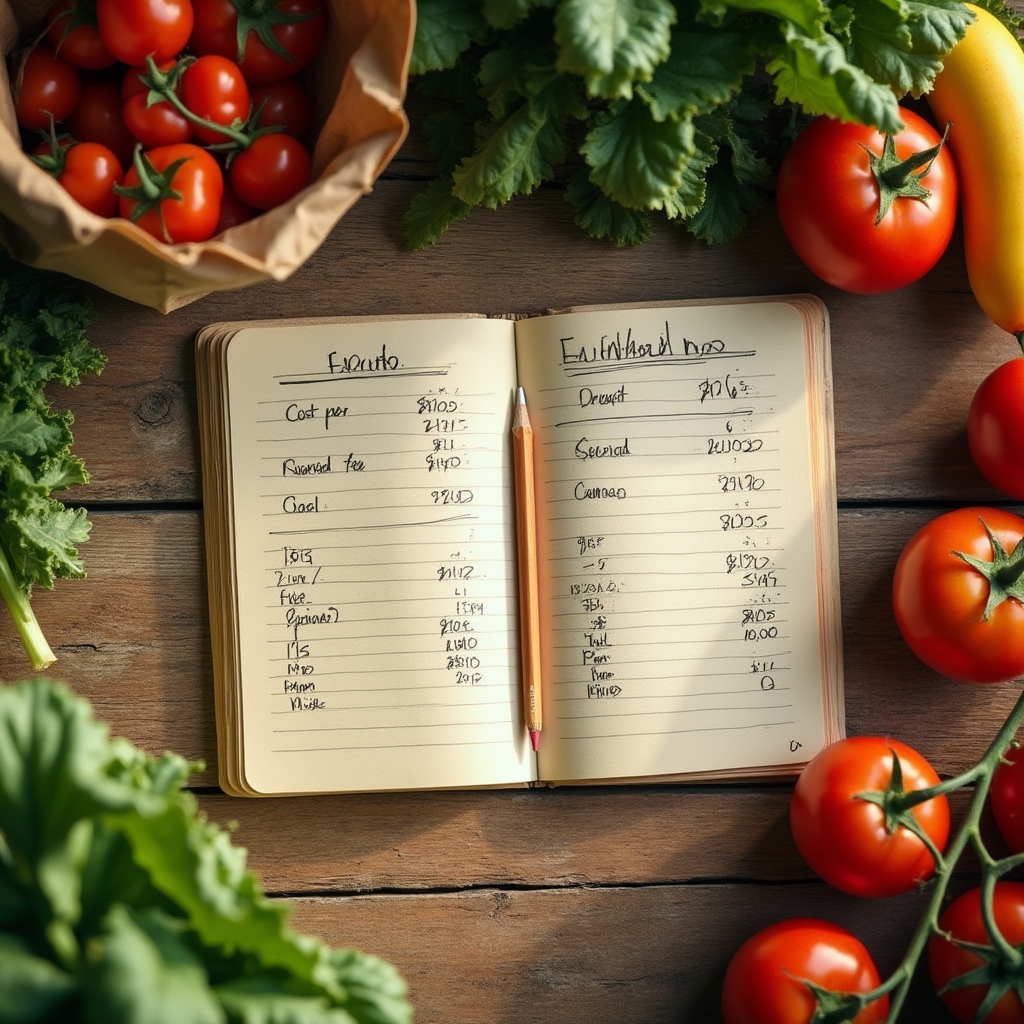
A notebook with handwritten cost calculations next to fresh vegetables at a market stall
Featured Perspective

The Numbers Most Growers Skip

Why do so many first-year vendors leave markets feeling like they worked hard but didn't actually make money? Because the visible costs are easy to count and the invisible ones are not. Fuel is obvious. Stall fees are obvious. The three hours of prep the night before, the packaging materials, the produce you brought home unsold because you priced it too high to move on the last hour — those are the numbers that quietly erode a Saturday.

A cost-first pricing model starts with your actual expenses per unit before it touches what the market will bear. It's not glamorous. But it's the difference between a hobby and a business that sustains itself.

"Price to your costs first. Then check what the market will bear. In that order."
See Pricing Examples
Regulatory Navigation

Permits Are Confusing by State Design

What licenses do you actually need to sell at a farmers market? The answer depends on what you're selling, how it's processed, your state's cottage food law, and sometimes the county you're operating in — not just the state. There is no single federal framework for direct-to-consumer food sales.

We work through publicly available health department documentation for each state, organized by product category: raw produce, baked goods, jams and preserves, fermented products, and prepared foods. The goal is to give you a starting map, not legal advice.

Explore Permit Guides
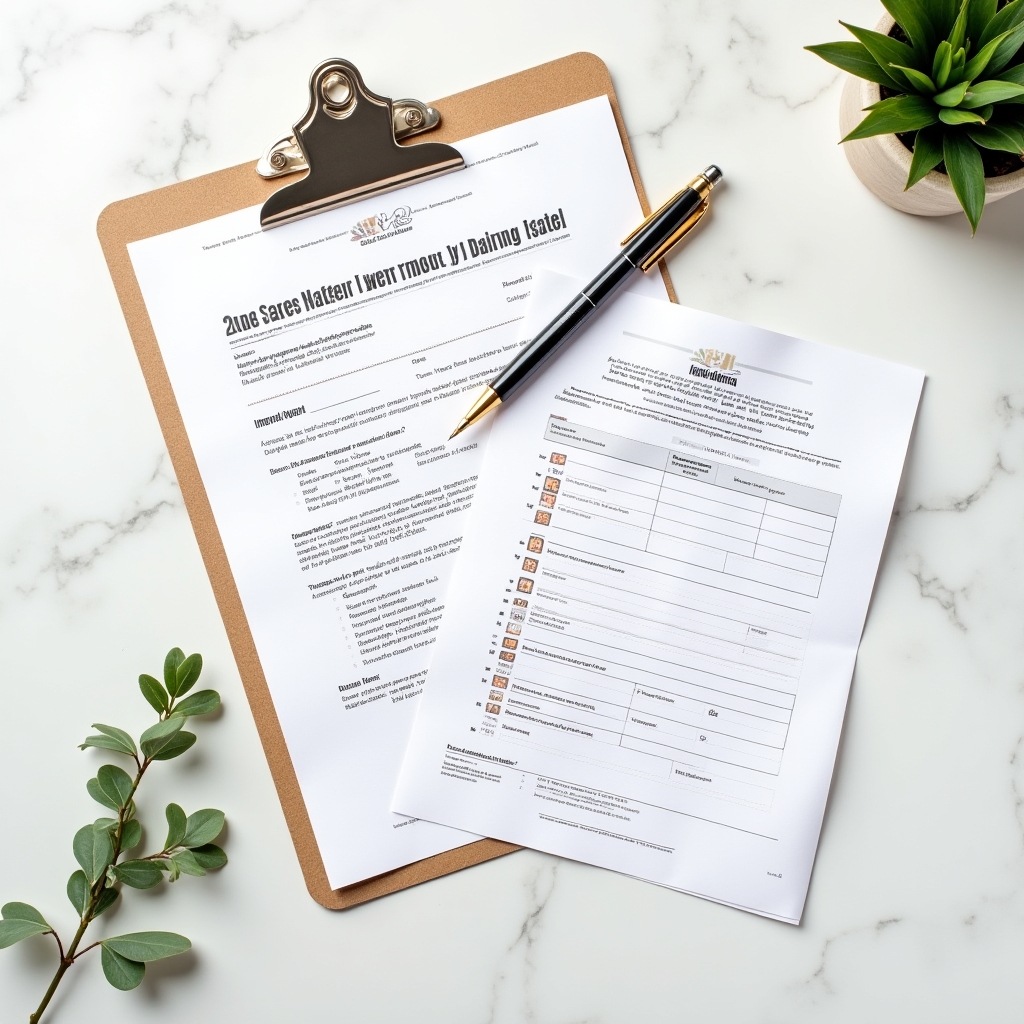
Official food handler permit documents spread on a table with a pen and clipboard
Booth Design

A Display That Works Without You

What makes a customer stop, pick something up, and then reach for their wallet — without a sales pitch? The answer is mostly visual merchandising applied to a small outdoor space.

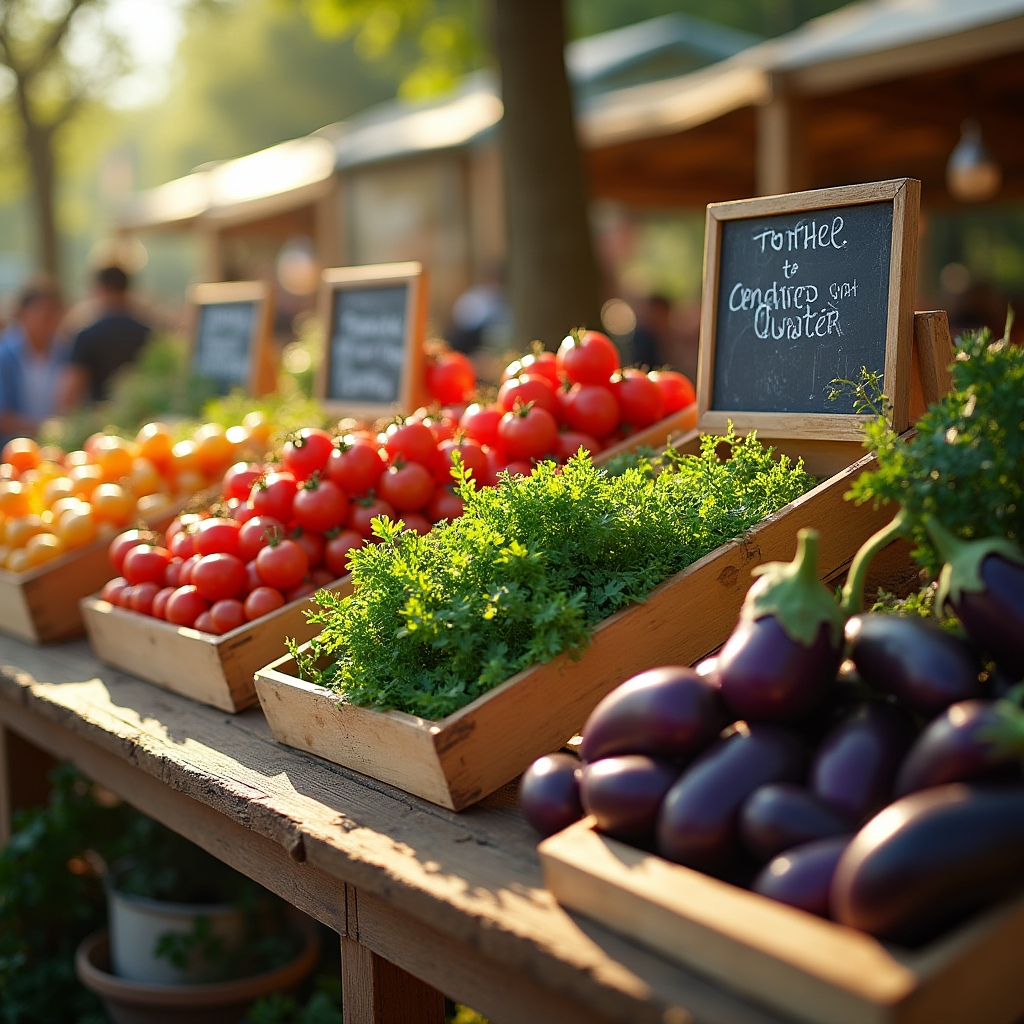
A farmers market booth with tiered wooden crates creating height variation in a produce display
01

Height Creates Interest

Flat tables read as finished. Varied heights create depth, draw the eye across the display, and make individual items easier to reach and examine. Crates, risers, and bins at different elevations do more than look good — they slow customers down.

02

Signage Replaces Explanation

Price signs, variety names, and brief growing notes answer the questions customers would otherwise ask you. When they're answered in advance, customers feel informed rather than sold to. That's a meaningful difference.

03

Abundance Signals Quality

A full display reads as fresh and worth stopping for. A sparse one reads as picked over. Restocking throughout the morning matters as much as the initial setup.

04

Color Grouping Guides Movement

Grouping by color rather than by variety creates a visually coherent display. Customers navigate color before they read labels. Work with that instinct rather than against it.

Technology in the Field

When the Signal Drops

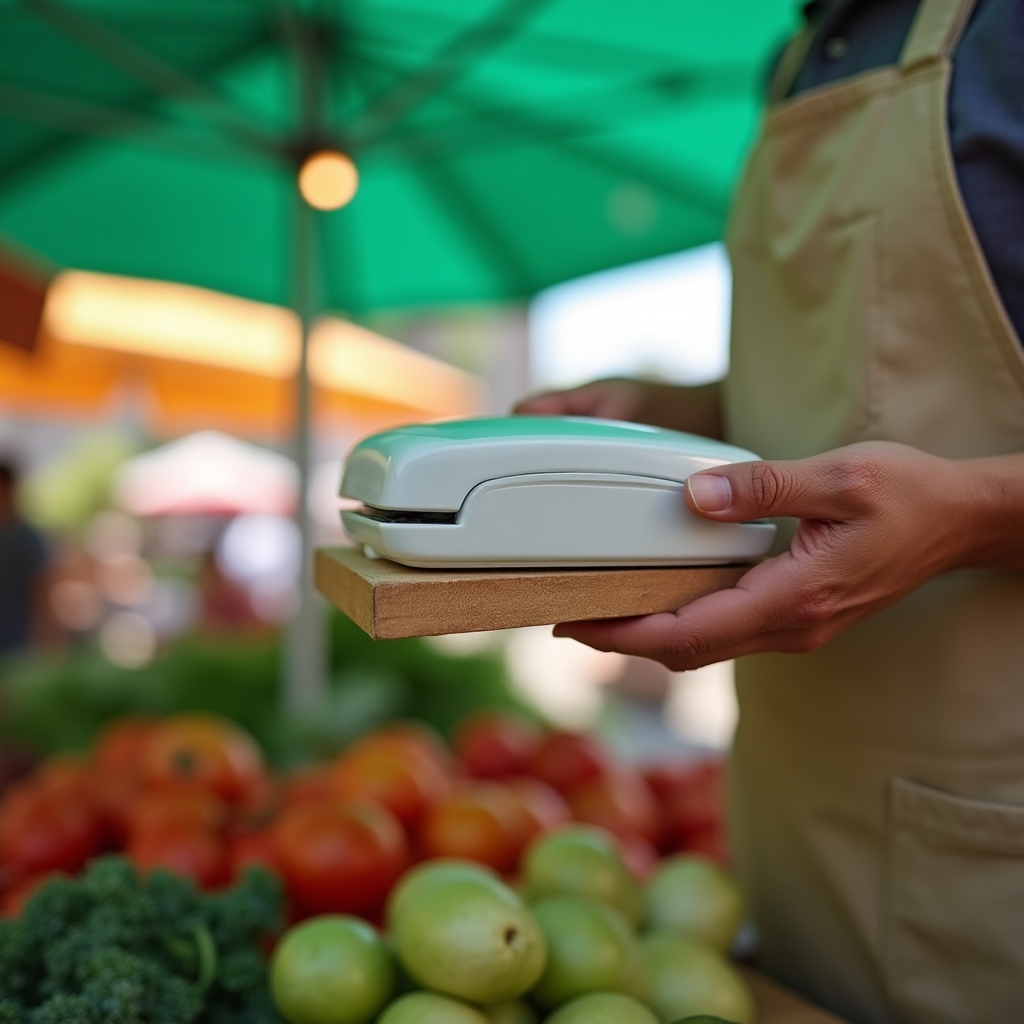
Which card readers actually work offline? This is one of the most practically important questions for vendors at rural markets, fairgrounds, and any location where a single carrier doesn't dominate. The answer involves understanding the difference between readers that queue transactions locally versus those that require a live connection to authorize.

Square and Stripe both have offline modes with specific transaction limits and reconnection requirements. Clover Go behaves differently. Some vendors run a dual-carrier setup using a hotspot on a second phone. None of this is complicated once you know what you're working with.

Offline card processing options and their limits
Cash handling protocols that reduce end-of-day errors
QR-based payment options that work on low bandwidth
Dual-carrier hotspot setups for consistent coverage
A small card reader mounted on a wooden stand at an outdoor market booth with a vendor processing a payment
Market Evaluation

Is This Market Worth Your Saturday?

How do you decide which markets to keep and which to drop? Not by gut feel alone. A simple tracking system answers the question with actual numbers.

Revenue Per Hour

Total market revenue divided by total hours including setup, selling time, breakdown, and drive time. This single number makes markets comparable regardless of how long they run.

Sales Per Table Foot

Which products are earning their space and which are filling it? This metric helps you optimize what you bring rather than just bringing everything you grew.

Customer Return Rate

Are you seeing the same faces? Repeat customers indicate a market worth investing in. New faces every week with low conversion suggests the market draws browsers, not buyers.

Sellout Rate

Selling out early means you left money behind. Bringing home a third of your inventory means you overestimated demand or underpriced for movement. Neither is ideal, but they suggest different fixes.

About This Blog

Operational Experience. Not Market Management.

What separates this resource from market management company content? The perspective. Market management companies have an interest in vendors showing up and paying stall fees. That's a legitimate business, but it produces content optimized for enrollment, not for operational success once you're already in.

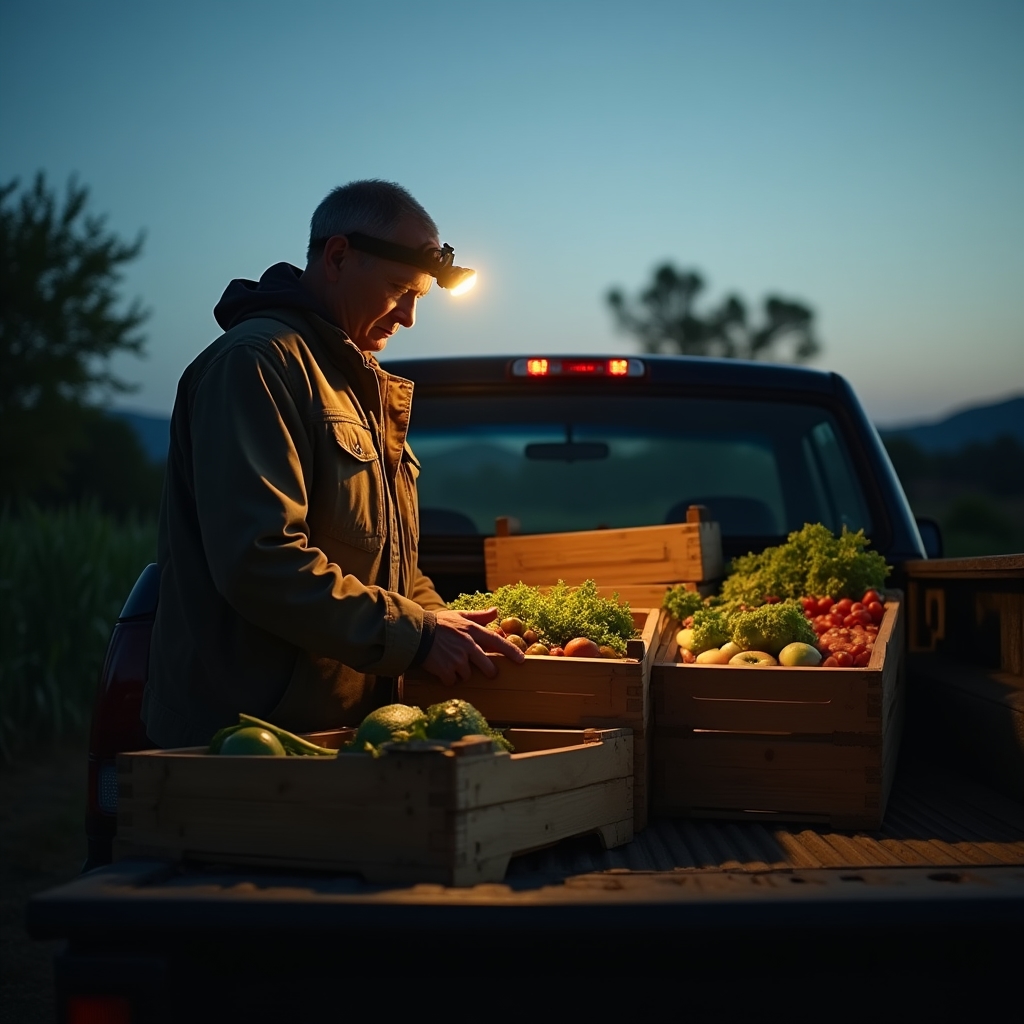
This is written from the vendor side. The 5am loading questions. The pricing math that has to work before you even pull out of the driveway. The display that has to function in rain, in wind, and in the last half hour when foot traffic drops. The specific, unglamorous operational details that determine whether a market season is worth repeating.

Who This Is For
A grower loading produce bins into a truck before dawn with a headlamp, preparing for a farmers market
Common Questions

Questions This Blog Addresses

What permits you need depends on your state, what you're selling, and how it was produced. Raw, whole vegetables grown on your own land are typically subject to fewer requirements than processed foods or baked goods. Most states require at minimum a temporary food establishment permit or a direct market license. Some states have specific cottage food exemptions that cover certain products up to a revenue threshold. We work through publicly available state health department guidelines to map this out by product type.

Start with your actual cost per unit, not what you think feels right or what the vendor next to you is charging. Your cost includes seed, soil amendments, water, labor hours at a rate you decide, packaging, a proportional share of your fuel and stall fee, and any unsold product you'll absorb. Once you have that number, you have a floor. Then you look at what the market will bear. In that order. Many vendors reverse this and end up subsidizing their customers without realizing it.

Several modern card readers have offline modes that queue transactions and process them when connectivity is restored. Square's offline mode allows transactions up to a set limit per transaction, with a daily aggregate cap. Stripe Terminal has similar functionality. The key distinction is whether the reader stores the card data locally and batches it, or whether it simply fails silently. You need to test your specific reader before market day, not during it. A secondary approach is maintaining a visible cash option with a clear price list so customers who want to pay without a card can do so without friction.

Track revenue per hour of total time committed, not just selling hours. A market that runs from 8am to noon but requires a 45-minute drive each way and an hour of setup and breakdown is a 6-hour commitment minimum. Divide your net revenue by that number. Compare it across markets over several weeks. A market that feels busy but produces a low hourly rate is often not worth the Saturday. One that feels slow but has reliable repeat customers and low overhead may be worth keeping. The numbers tell a different story than the feeling.

Yes, with specific conditions. A display that communicates price, variety, and provenance clearly through signage removes the friction of customers needing to ask. Height variation that draws the eye across the display slows foot traffic naturally. A full, abundant-looking setup signals freshness and quality. These are not tricks — they're the same principles that grocery stores and produce markets have applied for decades. The difference in a 10x10 booth is that you control every element and can optimize it over time based on what you observe.

Both, but in different ways. Someone in their first season will find the permit navigation and pricing frameworks immediately useful. Someone who has been doing markets for several years may find the tracking and display optimization content more relevant — because those are the refinements that move a functional operation toward a profitable one. The content doesn't assume you're a beginner, but it also doesn't assume you've already figured everything out.

Our Approach

Written From the Vendor Side

This blog exists because the operational details of running a farmers market booth are scattered across forums, state agency PDFs, and hard-won personal experience. The goal here is to consolidate what's publicly available and add the practical layer that only comes from actually doing it.

No products to sell. No market management services. No certification programs. Just organized, honest operational content for small growers and food producers who are trying to make their market days work financially and logistically.

Get in Touch
A woman in her 40s standing confidently behind her farmers market booth surrounded by colorful vegetables